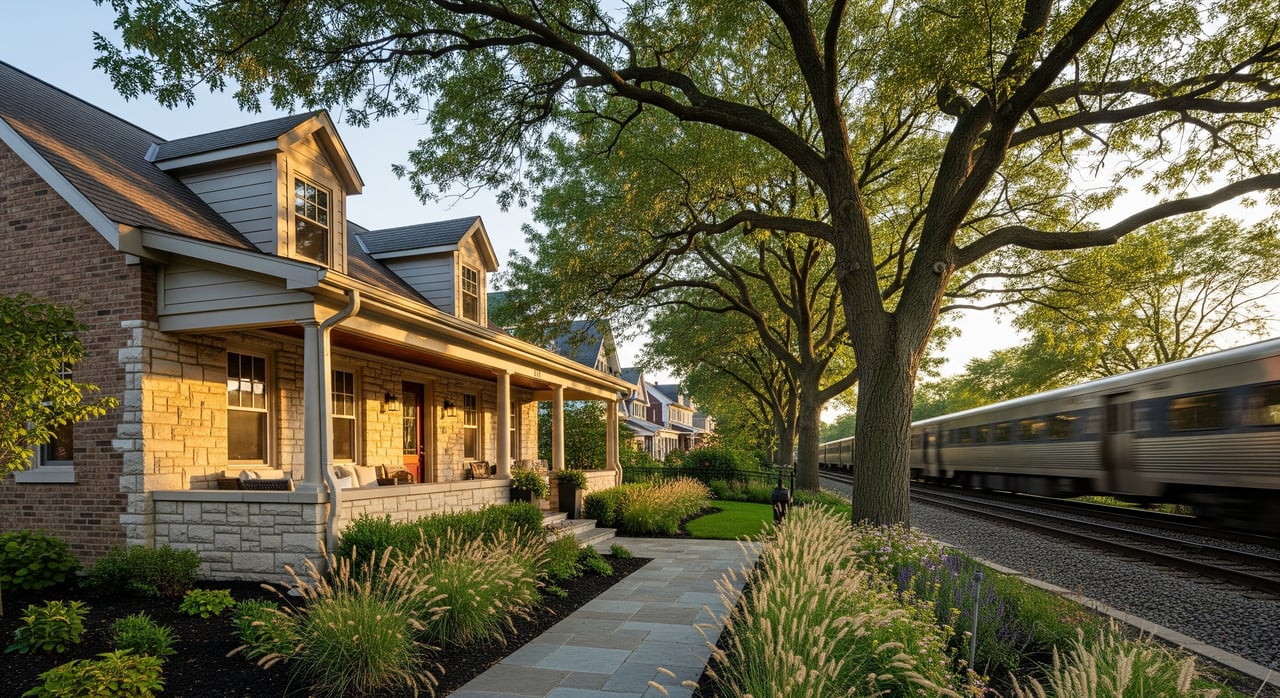
Is living near the River Grove Metra station worth it for your daily routine and long-term value? If you split time between the suburbs and downtown, the answer often comes down to real commute time, parking, and how you feel about train noise. You want facts, not hype, so you can buy with confidence. In this guide, you’ll learn how Metra’s Milwaukee District West line shapes life in River Grove, what it can do for your commute and resale, and how to evaluate homes near the tracks like a pro. Let’s dive in.
MD-W service and your commute
Metra’s Milwaukee District West (MD-W) line connects River Grove to Chicago’s Union Station. The schedule changes by time of day, with more frequent and often faster trains during peak hours. Some trains run express and skip stops, while others run local.
Your real commute time is door to door. That means the time it takes to leave home, get to the station, board, ride, and then reach your final destination from Union Station. Small differences at each step add up.
Calculate door-to-door time
- Map your typical route from home to the station and time it during a weekday peak.
- Add expected wait time based on the MD-W schedule you would actually use.
- Note in-train time from River Grove to Union Station for at least two peak runs and one off-peak or weekend trip.
- Add your final leg from Union Station to work by foot, bus, or rideshare.
Frequency and weekend patterns
Peak frequency increases convenience and reduces stress if a meeting runs late. Off-peak and weekend service matters if you keep flexible hours or ride for leisure. Before you buy, check current MD-W timetables and real-time alerts to confirm the schedule that fits your life.
How Metra access influences value
Living near a commuter rail stop can widen your buyer pool when you sell. Daily Chicago commuters, buyers who prioritize transit access, and some investors often target station areas. That demand can help support pricing and reduce time on market compared to similar homes without convenient rail access.
Transit proximity is often associated with a resale premium in many markets. Studies commonly show single-digit to low-double-digit percentage premiums depending on distance and service quality. Your result depends on local factors such as reliability, parking, property taxes, surrounding amenities, and how buyers in River Grove weigh noise and parking against convenience.
What sells near the station
Expect a mix of smaller single-family homes, duplexes, and multifamily options within a short walk of the station. These properties can trade more often because they appeal to commuters and downsizers. Farther from the station, turnover can slow, which may mean fewer immediate options for buyers who want fast access to Metra.
Pricing and comps to request
- Compare recent sales within 0.25 to 0.5 mile of the station to similar homes 1 mile or more away.
- Adjust for lot placement near tracks, platform, and crossings, since noise and horn use can affect pricing.
- Track days on market for station-area homes versus non-station homes to gauge demand.
Walkability, parking, and first-mile choices
A 5 to 10 minute walk, roughly 0.25 to 0.5 mile, is ideal for frequent riders. A 15 minute walk can work for some buyers, especially if routes are direct and well lit. In Illinois winters, snow clearance and safe crossings at grade matter for real-world usability.
If you plan to bike, look for safe routes and secure bike parking at or near the River Grove station. Micro-mobility options can help you live slightly farther out while keeping a predictable commute.
Parking at the River Grove station
River Grove typically relies on a combination of municipal or Metra lots and on-street options. Rules, capacity, and permit availability can change. If your plan is to drive, confirm:
- Permit requirements, waitlists, and fees for monthly parking.
- Daily pay options and enforcement hours.
- Peak arrival times when lots tend to fill.
- Where pickup and dropoff works best if you use a kiss-and-ride.
Bus and shuttle connections
Pace bus routes and possible local shuttles can expand your options if you are not within walking distance. Check current route maps and timetables to see if service lines up with your schedule.
Noise, vibration, and track-adjacent tradeoffs
Train noise is part of life near active tracks and stations. You may hear horns at public crossings, locomotive sounds, and wheel-on-rail noise. Intensity varies by distance from the tracks, train speed, and time of day. Freight traffic can also contribute to noise and, in some cases, perceptible vibration for very close properties.
Federal rules require horns at public crossings unless a quiet zone has been approved by regulators and local authorities. If you are serious about a home near the tracks, verify whether any quiet zones exist or are being considered. Ask about any planned sound barriers or station upgrades.
On-site checks to run
- Visit during morning and evening rush, midday, and a weekend to hear the full range.
- Stand outside at the property line, then inside primary rooms, to assess perceived noise and vibration.
- Note proximity to crossings and the platform, not just the tracks.
Practical mitigation options
- Double or triple-pane windows with insulated frames and good weather stripping.
- Solid core exterior doors and upgraded entry systems.
- Strategic landscaping buffers such as dense hedges and fencing. These help with higher-frequency sound but have limits with low-frequency rumble.
- In older homes, ask your inspector to check for foundation cracks or settlement that could relate to vibration.
If priced right, some buyers accept a discount for track adjacency to get the convenience they want. Use comparable sales that reflect similar proximity and noise to judge whether the asking price makes sense.
A practical buyer checklist
- Confirm current MD-W schedules for your typical commute and a weekend run.
- Time a door-to-door trip during a weekday peak, including walking, waiting, and the final leg from Union Station.
- Visit the neighborhood during morning and evening rush, late evening, and a Saturday to gauge noise and parking.
- Verify station parking rules, capacity, permit availability, and any waitlists.
- Review local planning notices for rail upgrades or new development near the station.
- Order a home inspection that includes a look at potential vibration effects.
- Study recent comps within 0.25, 0.5, and 1 mile of the station to spot any premium or discount.
- Ask sellers about noise complaints, mitigation work completed, and any foundation or window upgrades.
Buyer scenarios to consider
Daily downtown commuter
If you head to Union Station most weekdays, higher peak frequency and the option to catch the next train can be a big stress reducer. A 5 to 10 minute walk to the platform can feel like a lifestyle upgrade. If you are driving to the station instead, make sure parking capacity and timing work for your arrival.
Non-traditional hours or weekend rider
If your shifts vary or you rely on weekend service, compare off-peak and weekend timetables to your routine. Lower frequency outside rush can lengthen door-to-door time. Living within easy walking distance can offset the wait by removing the parking step.
Investor eyeing rental demand
River Grove’s station area can attract tenants who want predictable access to Union Station. If you are analyzing a duplex or small multifamily, compare rent levels and vacancy near the station versus farther out. Be realistic about noise and market the convenience clearly to reach the right renters.
How to shop smart near River Grove station
Start with your commute math, not a guess. Map your path, check the exact trains you would ride, and do a live test. Then weigh the walk-versus-park tradeoff and decide which compromise best suits your daily life.
Next, study comps by distance and lot placement. Homes closest to the platform can sell quickly to buyers who value the walk, while those alongside the tracks or near crossings may need the right price to overcome noise. Your goal is to buy at a number that fits both your tolerance and your exit plan.
Finally, inspect like a skeptic. Look and listen during peak hours, ask about any noise mitigation already installed, and plan your own upgrades if needed. Good windows and doors can make a big difference.
Work with a local advisor who does the homework
You deserve clear guidance backed by neighborhood-level data. I help River Grove buyers map real door-to-door commute time, pressure-test parking and walkability, and compare station-area comps to homes farther out. You get straight answers, a clean process, and a plan that fits your budget and timeline.
If you are ready to buy near the River Grove station or want a second opinion on value, reach out to Frank Campobasso. Parliamo anche italiano. Let’s build your plan today.
FAQs
What should River Grove commuters measure before buying near Metra?
- Time a full door-to-door run during a weekday peak and a weekend, including walking, waiting, in-train time, and the last leg from Union Station.
How does station proximity affect resale value in River Grove?
- Transit access can widen your buyer pool and is often linked to premiums in studies, but noise, parking, and local conditions can raise or lower value.
What is a realistic walking distance to River Grove station?
- A 5 to 10 minute walk (about 0.25 to 0.5 mile) is ideal for frequent riders, with 15 minutes workable if routes are direct and well maintained.
Is parking at the River Grove Metra reliable during peak hours?
- It varies by lot and season, so verify permit rules, capacity, and enforcement, and visit at your actual arrival time to see real conditions.
How can I reduce train noise if I buy near the tracks?
- Install double or triple-pane windows, solid exterior doors, weather stripping, and consider landscaping buffers, then test results at peak times.
Do train horns always sound at River Grove crossings?
- Horns are required at public crossings unless a quiet zone is approved, so confirm current status and any planned changes with local authorities.