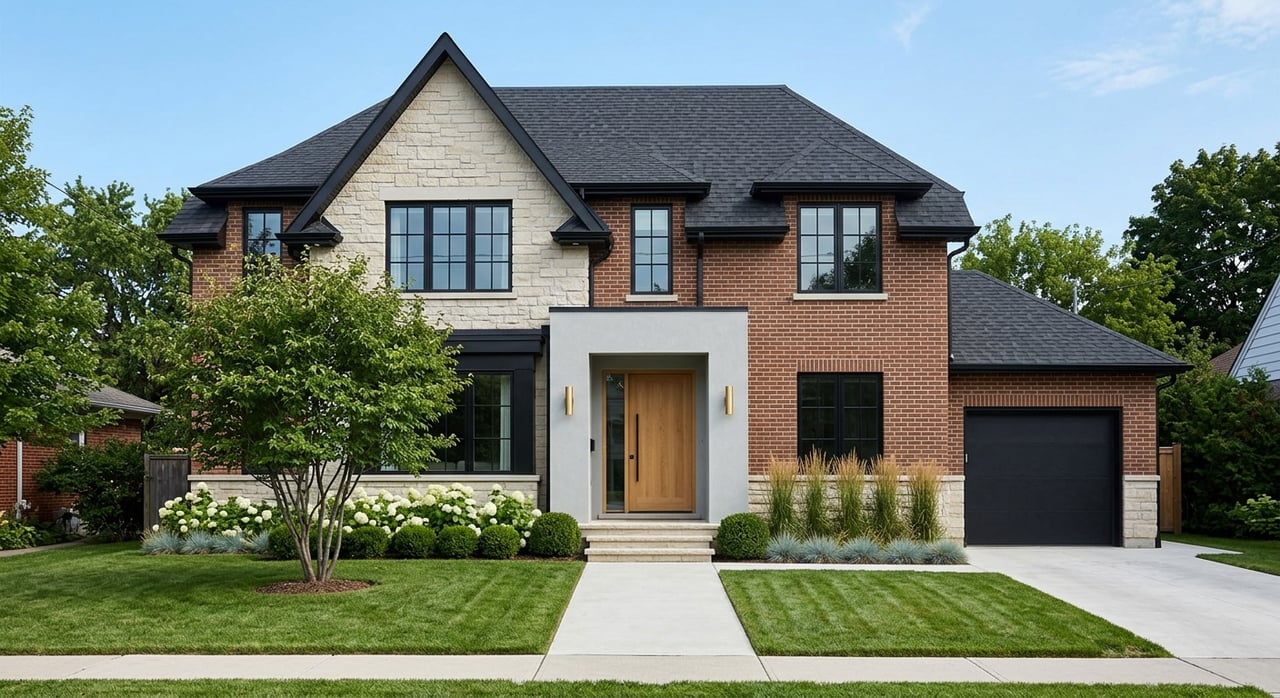
If you want a suburb with history you can see and daily convenience you can actually use, Melrose Park deserves a closer look. This is not a place built around one brand-new subdivision or a single polished town center. Instead, you get classic housing, established community anchors, and visible reinvestment that gives the village fresh momentum. Let’s dive in.
Why Melrose Park Stands Out
Melrose Park sits about 12 miles from downtown Chicago and covers just 4.35 square miles, which gives it a compact, connected feel. According to the U.S. Census QuickFacts for Melrose Park, the village had an estimated 2024 population of 23,999, with 8,321 households and a 57.3% owner-occupied rate.
Those numbers help explain the local vibe. Melrose Park feels established rather than newly built, and it has a strong residential base. The same Census data shows a median owner-occupied home value of $265,000 and a median gross rent of $1,194, which gives buyers and sellers a useful snapshot of the housing landscape.
Classic Homes Shape the Village
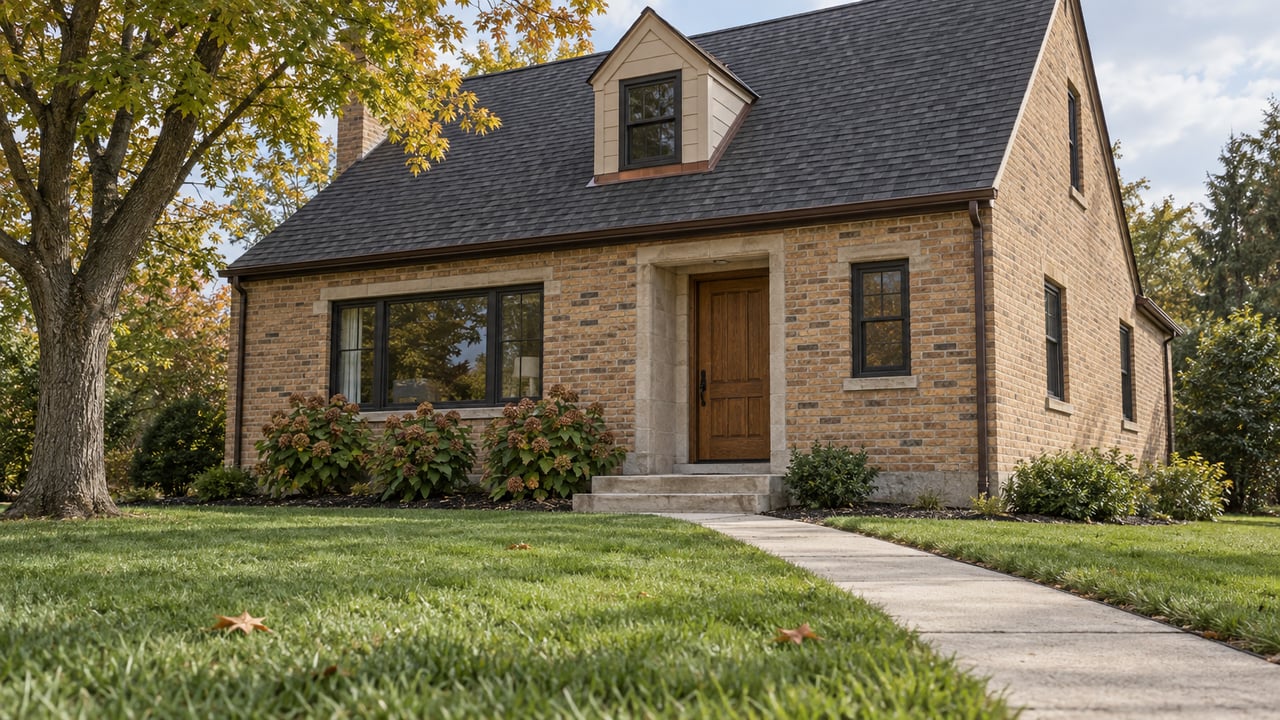
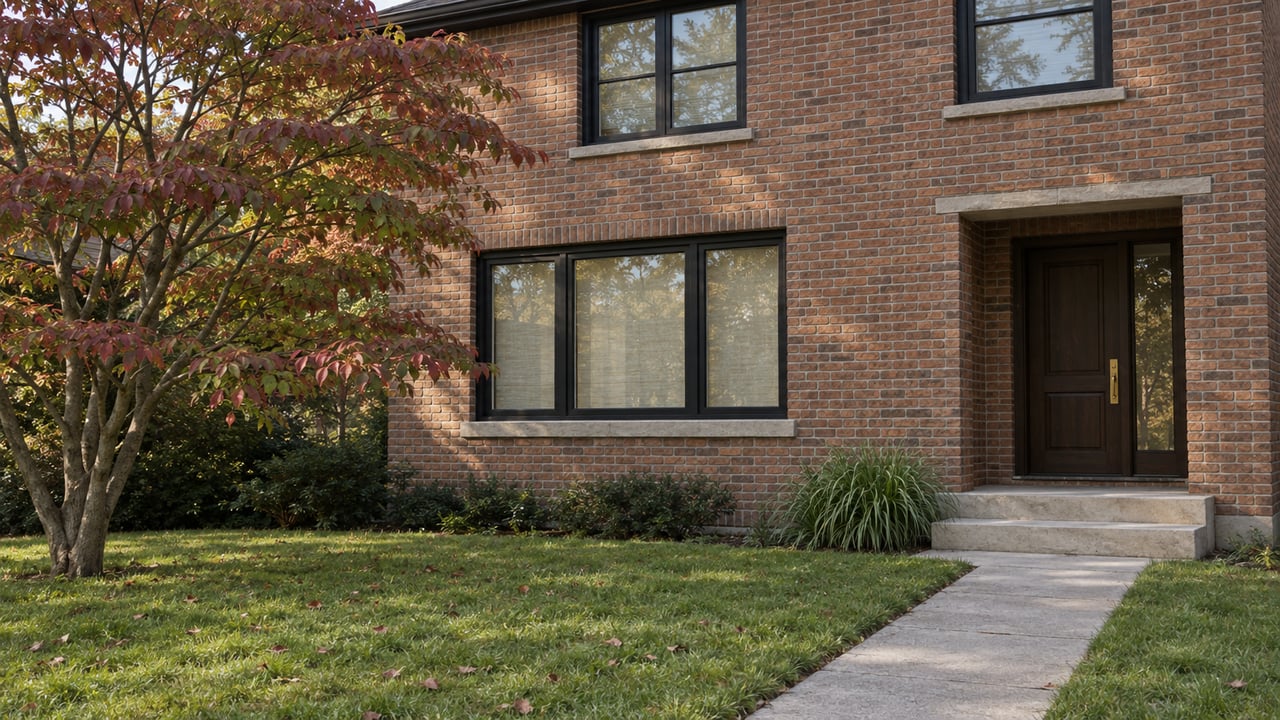
A big part of Melrose Park’s identity comes from its housing stock. CMAP reports that the median housing year built is 1957, with 25.2% of housing units built before 1940 and 45.4% built between 1940 and 1969. That means a large share of the village was built in an earlier era, which is a major reason the area feels rooted and consistent.
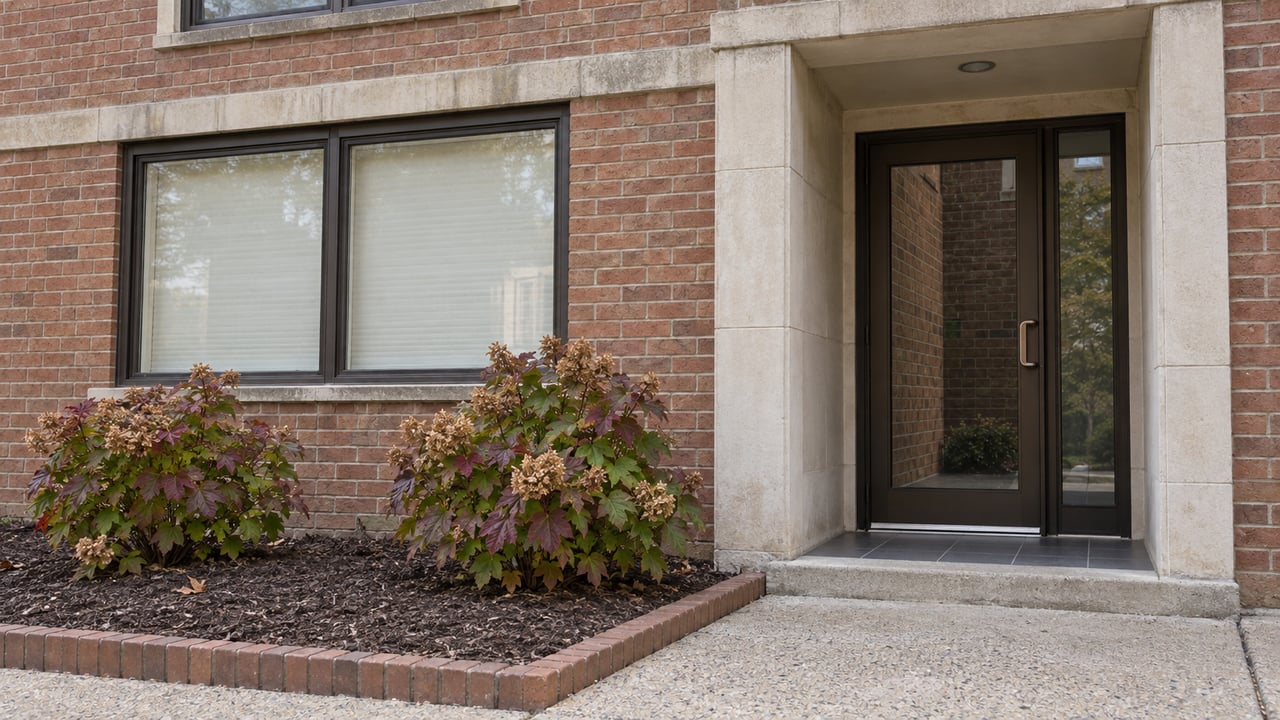
You can also see that character in the types of homes found here. According to CMAP’s community snapshot, single-family detached homes make up 42.6% of the housing stock, while two-unit buildings account for 19.3%. For you as a buyer, that often means older detached homes, two-flats, and smaller multifamily buildings instead of a uniform tract-home market.
That mix can appeal to different goals. If you want a home with vintage details or a layout that reflects mid-century construction, Melrose Park offers that feel. If you are looking at a two-unit property or a smaller multifamily building, the housing mix also creates options that are harder to find in suburbs dominated by one home type.
Understanding Melrose Park Areas
Melrose Park does not have a long list of officially branded neighborhood names, so the most accurate way to understand it is by looking at corridors and residential pockets. This approach lines up with the village’s layout, housing age, and civic landmarks.
Village-Center Core
The older civic core is centered around Broadway, 19th Avenue, and Lake Street. The Village history page traces the public library’s path from Village Hall at 17th and Lake Street to the old post office and then to its current location at 801 N. Broadway.
This part of Melrose Park tells the village’s legacy story. Civic institutions, long-established blocks, and older housing patterns all come together here, making it one of the clearest places to understand the community’s roots.
Interior Residential Grid
Away from the main commercial corridors, much of Melrose Park is made up of a practical residential grid. These blocks are best described as a mix of older detached homes, two-flats, and smaller multifamily buildings.
The housing story goes deeper than age alone. The Melrose Park Public Library includes special collections such as a Mail-Order Houses project, which points to a meaningful early-20th-century housing heritage. For buyers, that can translate into homes with more individual character and more variation from block to block.
North Avenue Corridor
If the older residential areas represent the classic side of Melrose Park, North Avenue shows the new energy. The village highlighted a new lighted walkway and decorative LED lighting project on North Avenue, connecting those improvements to safety, accessibility, and business activity in the area through its community newsletter.
That matters because buyers do not just purchase a house. You also buy into the way a place functions day to day, and visible corridor improvements can shape convenience, appearance, and access to services over time.
New Energy Is More Than a Slogan
Melrose Park’s newer momentum is not just about appearance. The village’s Department of Economic Development lists special projects and TIF management, which signals an active approach to redevelopment and reinvestment.
You can see that in the business mix mentioned in village updates. Recent announcements referenced projects or openings including Strickland Brothers, Chili’s, Pollo Campero, Andy’s Frozen Custard, Sugar Milk Café, Pures Bakery, White Castle remodeling, and Menards Public Storage in the same village newsletter. That combination suggests practical growth, with both national brands and smaller businesses adding to the local landscape.
For you, this kind of change can be a positive sign. It shows that Melrose Park is not standing still, even though much of its housing was built decades ago. The appeal is the balance between established blocks and visible investment.
Daily Convenience Is a Real Strength
One of Melrose Park’s most practical advantages is how easy it is to handle everyday life. The village’s grocery and pharmacy directory lists stores such as Aldi, Costco, Cermak Fresh Market, Target, Jewel, Food 4 Less, Tony’s Finer Foods, Walgreens, and Scudiero’s Italian Bakery and Deli.
That is important because convenience adds value in ways buyers sometimes overlook at first. Easy access to groceries, pharmacies, and daily services can make a neighborhood feel more functional and less stressful once you are actually living there.
Transit and Mobility Add Flexibility
Melrose Park also offers stronger transit support than many suburbs of similar size. The village’s transportation page lists Dial-A-Ride, village minibus service, Pace bus service, and access to Metra and Amtrak.
That range of options can help with commuting, appointments, errands, and day-to-day mobility. In November 2025, the village also said it had added upgraded Pace buses to the community fleet, which reinforces the point that transportation remains an active priority.
If you are comparing suburbs, this is worth paying attention to. Good mobility options can matter whether you drive every day, rely on public transit, or simply want more flexibility in how you get around.
Civic Anchors Support Community Life
A neighborhood’s long-term appeal is not only about houses. It is also about the institutions that help people stay connected over time.
The Melrose Park Public Library is one of the strongest examples. Founded in 1897, it now serves residents from 801 N. Broadway and offers digital resources, local history materials, historical newspapers, the Veterans History Project, and other special collections.
Recreation is another plus. Veterans Park District operates facilities such as Cimbalo Fitness Center and Museum and the Leoni Complex, while Memorial Park District serves portions of Melrose Park with parks and the Sharp Community Center. That means local recreation is supported by more than one park system, which gives residents multiple places to stay active.
Schools are also a core part of the local structure. Maywood-Melrose Park-Broadview School District 89 serves Maywood, Melrose Park, and Broadview through nine schools and more than 4,000 preschool through 8th grade students, while Leyden High School District 212 serves Melrose Park through East and West Leyden.
Community Traditions Keep It Grounded
Melrose Park has a long-running event calendar that helps explain why it feels established. Village updates have highlighted the 42nd annual Taste of Melrose Park, the 131st Feast of Our Lady of Mount Carmel, a Christmas Santa Light Parade, and Veterans Day observances at Bulger Park in the village newsletter.
These kinds of recurring events matter because they create continuity. Even as businesses change and corridors improve, local traditions help keep the community identity steady.
What Buyers Should Watch For
If you are thinking about buying in Melrose Park, the biggest opportunity is the blend of character and convenience. You can find older housing, established infrastructure, and a village that continues to invest in public spaces, business corridors, and transportation.
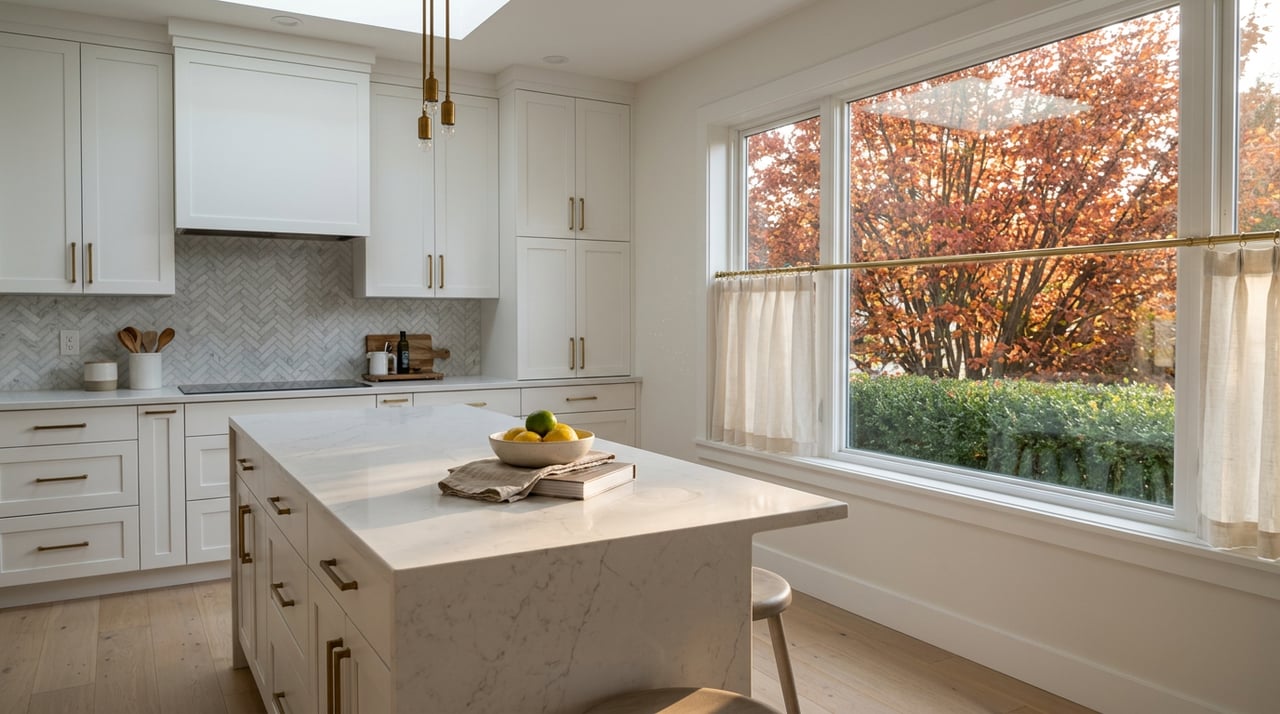
At the same time, older homes usually come with more questions. Depending on the property, you may want to pay close attention to maintenance history, updates, layout changes, and permit work. That is especially relevant in a community where so much of the housing stock dates back decades.
The good news is that the village actively addresses building, permitting, and code compliance through its code enforcement and permit framework. For buyers, that is a helpful reminder to do careful due diligence and understand how a property has been maintained or improved over time.
Why This Matters for Your Search
Melrose Park is a smart place to consider if you value substance over sameness. It offers classic homes, a practical street grid, strong civic anchors, transit access, and ongoing corridor reinvestment that gives the village current momentum.
In plain terms, this is a community that feels lived in, not manufactured. If you want help sorting through older homes, comparing block-by-block tradeoffs, or understanding how location and condition affect value, connect with Frank Campobasso for practical guidance grounded in local market insight.
FAQs
What is the housing style in Melrose Park, Illinois?
- Melrose Park is known for older detached homes, two-flats, and smaller multifamily buildings, with much of the housing stock built before 1970 according to CMAP.
What part of Melrose Park shows the most new development energy?
- The North Avenue corridor stands out most, with village-led lighting and walkway improvements plus ongoing business reinvestment highlighted in recent village updates.
Is Melrose Park a good fit if you want an older home with character?
- Melrose Park can appeal to buyers who want established housing with a classic feel, especially because a large share of homes were built before 1970 and the village has a strong early- and mid-century housing story.
What transit options are available in Melrose Park?
- The village lists Dial-A-Ride, minibus service, Pace buses, and access to Metra and Amtrak, giving residents multiple ways to get around.
What everyday amenities are available in Melrose Park?
- Residents have access to a broad mix of practical daily services, including grocery stores, pharmacies, retail destinations, parks, recreation facilities, and library resources.
What should buyers check when purchasing a home in Melrose Park?
- Buyers should closely review condition, maintenance history, remodeling quality, and permit-related details because much of the local housing stock is older.