How to Understand Your Mortgage Statement (Without the Headache)
If you’ve ever opened your mortgage statement and thought, “I pay it every month, but I don’t really know what I’m looking at,” you’re not alone. Mortgage statements are packed with numbers, terms, and line items that can feel confusing—even intimidating.
The good news? Once you understand a few key sections, your mortgage statement becomes a powerful tool for managing your finances and building equity smarter.
Let’s break it down.
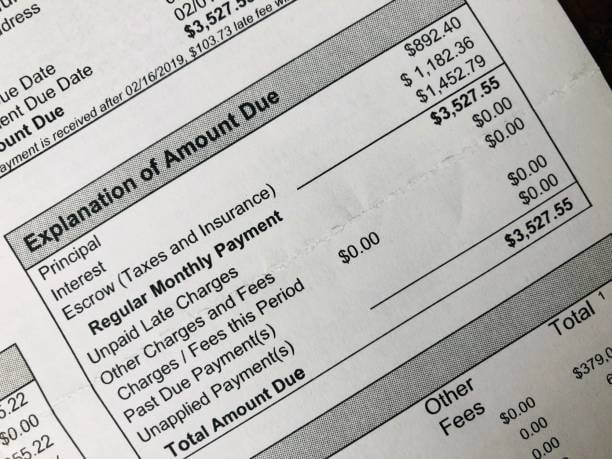
1. Your Monthly Payment Breakdown (PITI)
Your total monthly payment is typically made up of:
-
Principal – The portion that reduces your loan balance
-
Interest – What the lender charges to borrow the money
-
Taxes – Property taxes collected monthly and held in escrow
-
Insurance – Homeowners insurance (and sometimes mortgage insurance)
Early in your loan, more money goes toward interest. Over time, more goes toward principal, which is how equity builds.
2. Principal Balance: What You Still Owe
This section shows:
-
Your current loan balance
-
How much your balance dropped since last month
-
Your original loan amount
Tracking this number helps you see real progress—not just payments going out, but debt going down.
3. Escrow Account Activity
If you have escrow, this section tracks:
-
Property tax payments
-
Insurance payments
-
Your escrow balance
You’ll also see if there’s a shortage or surplus, which is one of the most common reasons mortgage payments change year to year.
4. Interest Rate & Loan Type
Your statement lists:
-
Your interest rate
-
Whether your loan is fixed or adjustable
If you have an adjustable-rate mortgage, this section is critical to monitor so you’re not caught off guard.
5. Year-to-Date Totals
This shows how much you’ve paid this year toward:
-
Principal
-
Interest
-
Taxes
-
Insurance
It’s useful for budgeting, tax prep, and long-term planning.
6. Due Date, Grace Period & Late Fees
Always double-check:
-
Payment due date
-
Grace period
-
Late fee amount
Even a small delay after the grace period can affect your credit.
7. Extra Payments & Principal-Only Payments
Most statements explain how to:
-
Make extra payments
-
Apply payments directly to principal
Even small extra principal payments can save thousands in interest and shorten your loan term—just make sure they’re clearly labeled “principal only.”
8. Lender Messages (Don’t Skip These)
This section often includes:
-
Escrow changes
-
Policy updates
-
Rate adjustments
It’s where lenders quietly communicate important changes—worth a quick read every month.
Homeowner Mortgage Statement Checklist ✅
Use this quick checklist each time you review your statement:
✔ Confirm your payment amount matches expectations
✔ Verify how much went to principal vs. interest
✔ Review your current loan balance
✔ Check escrow activity for taxes and insurance
✔ Watch for escrow shortages or surpluses
✔ Confirm due date and grace period
✔ Read lender messages for changes or notices
✔ Consider whether extra principal payments make sense
✔ Flag anything unclear and ask questions early
Keeping an eye on these items helps you stay in control and avoid surprises.
Why This Matters
Your mortgage statement isn’t just a bill—it’s a financial roadmap. Understanding it helps you:
-
Catch errors early
-
Plan refinances strategically
-
Decide when selling makes sense
-
Build equity faster
-
Make smarter long-term real estate decisions
About Frank Campobasso
Frank Campobasso is a seasoned real estate professional with over 20 years of experience helping clients throughout Chicagoland and the surrounding suburbs. He specializes in buying and selling single-family homes, condos, townhomes, multi-unit buildings, and investment properties.
Known for his expert negotiation skills, transparent communication, and digital marketing savvy, Frank has been featured in Top Agent Magazine, Chicago Agent Magazine, newspapers, and radio shows for his real estate expertise.
📱 Call or Text: 773-425-6265
🏡 Company: Century 21 Circle
🌐 Website: www.CampoSellsHouses.com
⭐ Reviews: www.realsatisfied.com/Frank-Campobasso