Buying your first home in Franklin Park can feel exciting and a little intimidating at the same time. You want a home that fits your budget, but you also do not want to get caught off guard by a fast-moving market, older-home repairs, or closing costs that stretch beyond the down payment. The good news is that if you understand what Franklin Park starter homes usually look like and how the Illinois buying process works, you can make smarter decisions with more confidence. Let’s dive in.
Franklin Park starter homes at a glance
If you are searching for a true starter home in Franklin Park, you will likely find older single-family houses instead of brand-new construction. Local housing data shows that 74.4% of housing units are single-family detached, and the median year built is 1957. Only 1.5% of units were built in 2010 or later, which gives you a pretty clear picture of the local inventory.
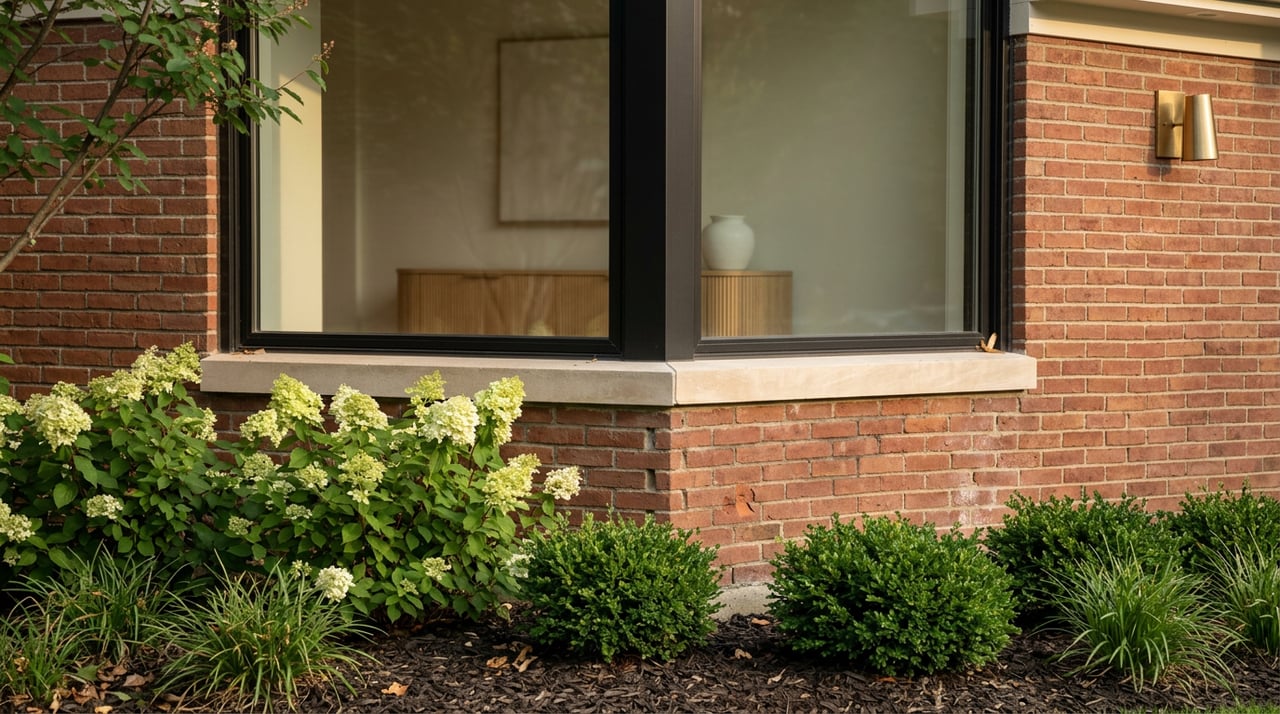
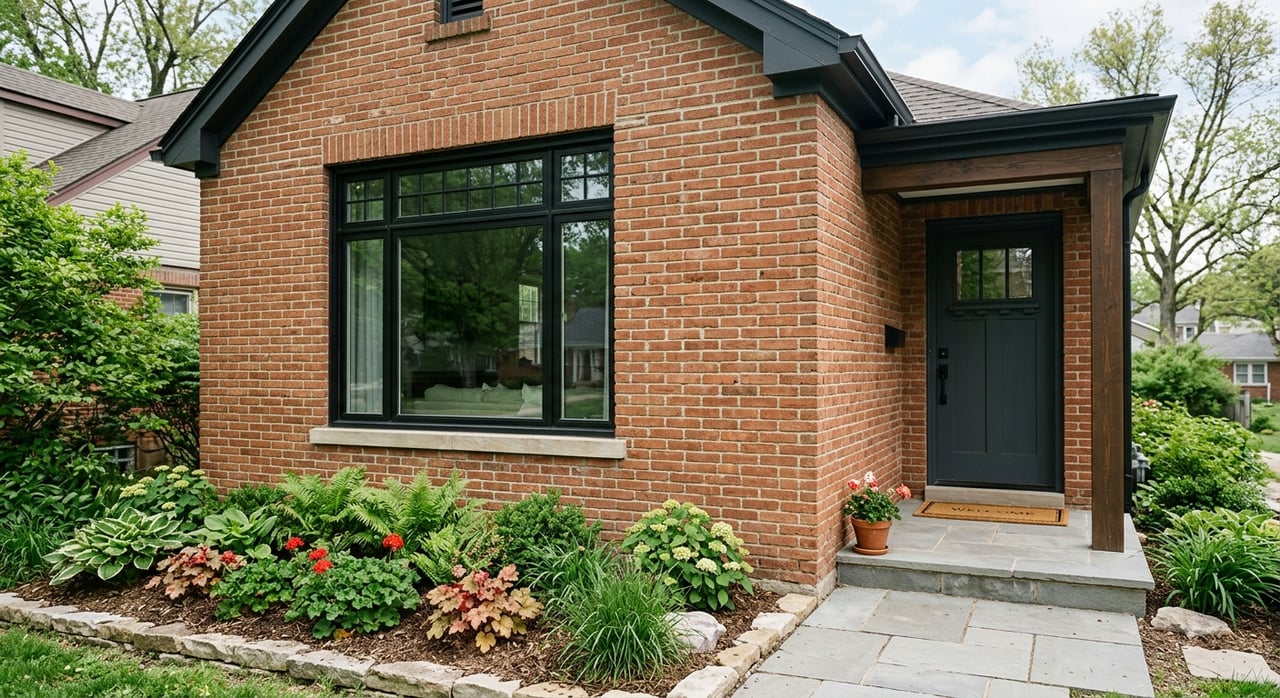
That matters because your search will probably center on practical, mid-century homes rather than shiny new builds. The village’s planning documents and recent listing patterns point to solid brick homes, many with three bedrooms, basements, attached garages, and fenced yards. Some are move-in ready, while others may need cosmetic updates.
Franklin Park is also more owner-occupied and house-oriented than Cook County overall. Census and CMAP data show a 75.1% owner-occupied rate in Franklin Park, compared with 57.5% in Cook County. For first-time buyers, that often means more opportunities to shop for a detached home instead of being pushed toward a condo-heavy market.
What “starter home” often means here
In Franklin Park, a starter home usually means a modest, functional house with good bones. You may see a lot of brick ranches, three-bedroom layouts, and homes built decades ago that have been maintained to different levels over time. That can be a plus if you want yard space, a basement, or a garage without chasing newer construction pricing.
It also means you should think carefully about condition. Even if a home looks clean and updated, older housing stock can come with near-term maintenance or improvement costs. Budgeting for repairs is smart, especially when most homes in the area were built long before modern systems and finishes became standard.
Franklin Park market competition is real
If you are hoping for deep discounts, the numbers suggest you should reset expectations. Recent market trackers describe Franklin Park as competitive, with homes selling at about the asking price on average. Redfin reports a 100.0% sale-to-list ratio, while Realtor.com reports about 100% as well for the area, even though days on market vary by source.
The exact pace depends on which data source and geography you review. Redfin says homes sell in about 42.5 days, while Realtor.com’s June 2026 market page shows 20 median days on market, and the 60131 ZIP snapshot shows 41 days. The key takeaway is not the exact number. It is that homes are moving and buyers often need to act quickly.
Redfin also notes that many homes get multiple offers, and some buyers waive contingencies. That does not mean you should rush blindly. It means you need to be prepared before the right home hits the market.
How to compete without overreaching
A competitive market does not mean you should abandon your budget or protections. It means your offer strategy needs to be organized, realistic, and fast. In a market where sale-to-list pricing sits around 100%, writing far below asking may not be effective on many well-priced homes.
This is where preparation matters. A first-time buyer usually gains an edge by knowing their numbers, understanding the contract, and moving quickly on inspections and attorney review. In a place like Franklin Park, being ready can matter just as much as being aggressive.
Get preapproved before you shop
One of the smartest first steps is getting loan preapproval before you start touring homes seriously. The Illinois State Bar Association recommends considering written loan preapproval so you know your price range before you shop. That helps you avoid looking at homes that stretch your comfort level or moving too slowly when a good one appears.
Preapproval also helps you set a full monthly budget, not just a purchase-price target. Franklin Park’s median monthly owner cost with a mortgage is $2,073, according to Census data. That is a helpful benchmark, but your actual cost can vary based on your loan, taxes, insurance, and the home you choose.
Understand the Illinois offer process
Illinois buyers should know that the written offer matters a lot. According to the Illinois State Bar Association, once the offer is accepted, it becomes the contract. That contract should clearly spell out items such as the price, earnest money, financing terms, closing date, possession date, tax prorations, and contingencies.
For a first-time buyer, this is where having the right guidance early can make a big difference. ISBA recommends bringing in a real estate attorney at the outset and using an attorney approval or modification contingency. Without that review period, you may become legally obligated under the signed contract faster than you expect.
Why attorney review matters in Illinois
The attorney review period is one of the biggest process points first-time buyers in Illinois should understand. ISBA specifically recommends an attorney approval or modification contingency that gives several business days for review. That creates time to confirm the contract terms are working in your favor.
In practical terms, this helps you avoid signing first and asking questions later. It also gives your attorney the chance to address issues tied to the contract language, timing, and other deal details before you move deeper into the transaction.
Inspections matter even more with older homes
Because Franklin Park starter homes are often older, the inspection stage is especially important. Illinois law requires most sellers to provide a disclosure form before contract formation, but ISBA makes clear that the disclosure is not a substitute for an independent professional inspection. You still need your own due diligence.
The inspection helps you understand the home’s actual condition beyond fresh paint or updated fixtures. For older homes, that can be critical when evaluating systems, maintenance history, or deferred repairs. A home can still be a great buy, but you want a clear picture before moving forward.
Schedule the inspection quickly
Timing matters once your contract is accepted. Guidance in the CFPB homebuying materials says you should schedule the home inspection as soon as possible. If your contract includes an inspection contingency and the results are unsatisfactory, you can usually cancel without penalty.
In a competitive market, buyers sometimes feel pressure to skip steps. That can be risky, especially with older housing stock. A fast decision is fine, but a blind decision is not.
Do not confuse the appraisal with the inspection
First-time buyers often mix these up, but they serve different purposes. The inspection is for you, helping you understand the home’s condition. The appraisal is typically for the lender, helping confirm the property’s value for the loan.
If you are using a mortgage, expect an appraisal as part of the process. The CFPB notes that buyers are entitled to receive a copy of the appraisal no later than three days before closing. In short, you generally need both, and neither replaces the other.
Budget beyond the down payment
A lot of first-time buyers focus so hard on the down payment that they forget everything else. Closing costs can include appraisal fees, title costs, property taxes, homeowner’s insurance, and sometimes flood insurance. Lenders may also require escrow accounts for taxes and insurance.
A better way to budget for a Franklin Park starter home is to think in layers:
- Mortgage payment
- Property taxes
- Homeowner’s insurance
- Closing costs
- Maintenance reserve
- Near-term updates or repairs
That last line matters in Franklin Park. Since the local housing stock skews older, it is wise to assume some early spending even if the home is basically move-in ready.
Watch for Cook County tax savings
If the home will be your primary residence, do not overlook the Cook County homeowner exemption. The Cook County Assessor says this exemption saves homeowners an average of about $950 per year. Once applied, it renews automatically for eligible homeowners.
That is meaningful for a first-time buyer trying to manage monthly costs. It is also something you want to handle correctly, since the county allows prior-year corrections through a certificate of error process if needed.
Down payment help may be available
If cash to close is your biggest obstacle, it may be worth looking at Illinois Housing Development Authority programs. IHDA’s Access Home program currently advertises assistance equal to 6% of the purchase price, up to $15,000, for down payment and closing costs. For some first-time buyers, that can make the difference between waiting and moving forward.
This does not mean every buyer will qualify or that every program fits every situation. It does mean you should ask early and explore your options before assuming you need to save everything on your own.
Final walk-through and closing
Before closing, do not skip the final walk-through. ISBA notes that your broker should arrange a pre-closing inspection so you can confirm agreed repairs were completed and that the property is in the expected condition. This is your last chance to verify the home before ownership changes hands.
From there, the closing process usually brings together underwriting, title work, tax proration, and final figures. In Illinois, attorneys commonly help coordinate many of these details. It is one more reason the right local guidance can make a first purchase feel much more manageable.
Smart first steps for Franklin Park buyers
If you want to buy your first home in Franklin Park, keep your approach simple and disciplined. Focus on the kind of homes that are common in the area, respect the pace of the market, and plan for the costs that come with older houses. You do not need to know everything on day one, but you do need a clear process.
A strong first-time buyer plan usually looks like this:
- Get preapproved early
- Set a realistic all-in monthly budget
- Learn the Illinois contract and attorney review process
- Move quickly on inspections
- Keep a repair cushion for an older home
- Ask about tax exemptions and assistance programs
Franklin Park can be a practical place to buy your first house if you go in prepared. And when you have local guidance grounded in neighborhood-level data, it is much easier to spot the right opportunity and avoid expensive surprises.
If you are thinking about buying in Franklin Park and want direct, practical guidance on what to expect, connect with Frank Campobasso for local insight and a smart game plan.
FAQs
What kinds of starter homes are common in Franklin Park?
- Most Franklin Park starter homes are older single-family detached houses, often brick homes with three-bedroom layouts, basements, garages, and yards.
How competitive is the Franklin Park home market for first-time buyers?
- Recent market data shows a competitive market with homes often selling around asking price, and some properties receiving multiple offers.
What should first-time buyers in Illinois know about making an offer?
- In Illinois, the written offer becomes the contract once accepted, so terms like price, financing, contingencies, tax prorations, and closing dates need careful review.
Why is an attorney review period important for Illinois homebuyers?
- The attorney review period gives your attorney several business days to review or modify contract terms before you become fully locked into the deal.
Why are home inspections so important for Franklin Park homes?
- Because many Franklin Park homes were built decades ago, an independent inspection can help uncover repair needs or maintenance issues that may not be obvious during a showing.
What costs should first-time buyers budget for beyond the down payment?
- You should budget for closing costs, property taxes, homeowner’s insurance, maintenance, and possible near-term repairs in addition to your mortgage payment.
Is there any property tax relief for owner-occupants in Cook County?
- Yes, the Cook County homeowner exemption can reduce taxable value for eligible primary residences and saves homeowners an average of about $950 per year.
Are there down payment assistance options for Illinois first-time buyers?
- IHDA’s Access Home program currently advertises assistance of 6% of the purchase price, up to $15,000, for down payment and closing costs.