Love the charm of a brick bungalow in Melrose Park but not sure what to look for before you buy? You are not alone. Vintage homes can offer character and value, yet they also come with unique systems, maintenance needs, and renovation considerations.
In this guide, you will learn what defines a Chicago-style bungalow, how to evaluate condition, where renovation dollars go, and how dormers or additions can create more space. You will also see the practical trade-offs versus a newer build so you can buy confidently. Let’s dive in.
Chicago bungalow basics
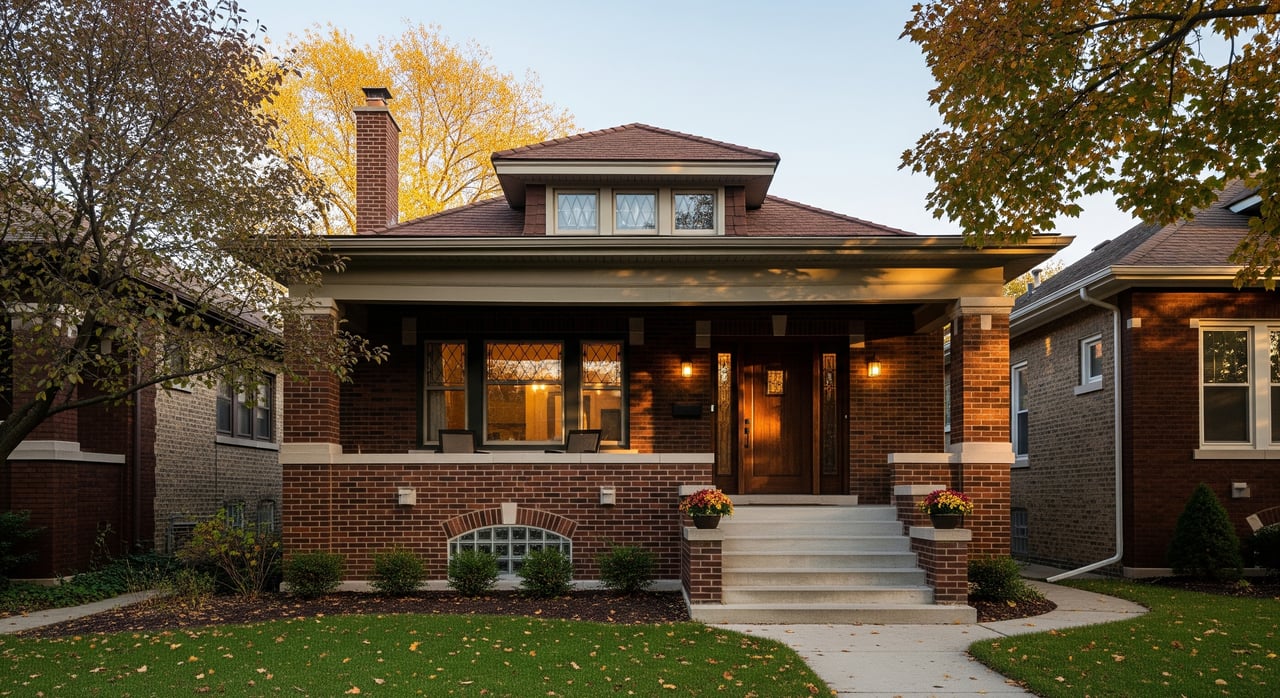
Chicago-style bungalows were primarily built from the 1910s through the 1930s as modest, durable homes. You will typically see 1 to 1.5 stories, a full basement, and a rectangular footprint sized for two to three bedrooms on the main level. Attics often become usable space after dormer work.
On the exterior, expect brick veneer or solid masonry, low-pitched roofs, and either a raised front porch or an enclosed sun porch. Details like broad eaves, stone or concrete steps, and leaded or multi-light windows show up on many examples.
Inside, the layout is efficient. Most plans have a front living room, a separate dining room, and a compact rear kitchen. Look for built-ins, hardwood floors, plaster walls, and smaller closets compared to newer homes. Many systems have been upgraded over time, though original construction predates today’s mechanical standards.
Why buyers like them: strong masonry, historic character, human-scale rooms, and locations that are convenient and walkable by suburban standards. You often get a smaller footprint, which can mean a lower purchase price than larger homes.
Melrose Park condition checklist
Melrose Park bungalows face the full range of Chicagoland weather, from heavy snow to humid summers. That affects masonry, roofing, and drainage. Use this checklist as you tour homes and during inspections.
Mechanical systems
- Heating: Many homes started with boilers and radiators or gravity furnaces. Some have been converted to gas forced-air. Ask the age of the furnace or boiler. Typical lifespans run about 15 to 25 years for furnaces and 15 to 30 years for boilers, depending on type and service history.
- Air distribution: If staying with steam heat, budget for specialized service. Forced-air may be easier to maintain but could require duct upgrades in older framing.
Plumbing and electrical
- Plumbing: Older homes may still have galvanized steel or lead components and cast-iron sewer lines. Cast-iron laterals can deteriorate or clog. A sewer scope is a smart spend. Confirm the material of your water service line.
- Electrical: Original service could have been 60 to 100 amps. Many homes now have 100 to 200 amp panels. Knob-and-tube is possible in very early bungalows and is a red flag for modern use and insurance. Check for aluminum wiring in mid-century alterations and ensure kitchens and bathrooms have properly sized, grounded circuits.
Roof, attic, and insulation
- Roofing: Century-old roofs often have multiple past layers. Inspect sheathing, flashings, dormers, and ventilation. Ice dam prevention, proper gutters, and downspouts matter in our freeze and thaw cycles.
- Insulation and windows: Exterior walls may lack modern insulation. Attic and basement insulation often need upgrades. Single-pane windows are common. Storm or replacement windows can improve comfort and efficiency.
Foundation, basement, and drainage
- Basements: Look for cracks, settlement, dampness, efflorescence, mold, and signs of prior repairs. Sump pumps and downspout extensions help. With masonry, tuckpointing and spalling due to freeze and thaw can be recurring maintenance items.
- Drainage: Confirm grading that slopes away from the house and that gutters move water well. Poor drainage is a common source of basement moisture.
Masonry, porches, and exterior details
- Porches and stoops: Concrete steps, steel supports, and porch roofs may need structural or finish work. Mortar joints in brick often need repointing after decades of weather exposure.
- Brick veneer: Budget for tuckpointing where mortar is eroded. Matching historic brick and mortar color is a specialized task.
Health hazards and inspections
- Health considerations: Homes built before 1978 likely contain lead-based paint. Older materials can include asbestos in insulation, floor tile, or pipe wrap. Testing and certified abatement or encapsulation may be necessary.
- Recommended inspections: Schedule a full home inspection with a pro who knows vintage Chicago-area homes. Add a sewer scope and radon test. If you have structural concerns, bring in a structural engineer. When indicated, consider lead paint inspections.
Renovation costs and drivers
Renovation budgets vary widely. Your scope, the home’s starting condition, and material choices drive the final number. In the Melrose Park and Chicago area, here is how to think about costs.
- Scope: Cosmetic refreshes like paint, refinished floors, and light fixture swaps cost far less than full-system replacements or structural changes.
- Mechanical systems: New HVAC, boiler replacement, plumbing reroutes, or electrical panel upgrades increase costs quickly.
- Structural work: Foundation repairs, dormers, moving load-bearing walls, and replacing roof sheathing are high-impact line items.
- Masonry and exterior: Tuckpointing and brick repair involve specialized trades with higher unit costs.
- Hazards and surprises: Lead or asbestos abatement, hidden water damage, and failing sewer laterals add contingency needs.
- Permits and design: Architectural drawings, engineering, permits, and any variance applications add time and money.
Approximate ballpark ranges in our region, for planning only:
- Roof replacement with asphalt shingles after a full tear-off: low to high thousands depending on complexity and repairs.
- Window replacement: wide per-window range, with historically sympathetic options costing more than basic vinyl.
- Kitchen: a cosmetic refresh often lands in the lower five figures; a full gut with new layout and finishes can reach the mid five figures to low six figures.
- Bathroom: a cosmetic update can be in the lower five figures or less; a full gut and reconfiguration can climb into the mid to high five figures.
- Basement finishing: low to mid five figures for basic space; more if you add a bath, plumbing, or higher-end finishes.
- Full dormer addition: commonly mid five figures to low six figures depending on size, structure, and finishes.
- Tuckpointing and masonry repairs: ranges widely from thousands to tens of thousands based on extent and access.
- Sewer lateral work: several thousand dollars for replacement, more if excavation is complex.
Build a contingency of 10 to 20 percent for vintage-home surprises. Get at least three local bids tailored to your specific bungalow and scope.
Dormers and additions in Melrose Park
Adding space is a common way to make a bungalow work harder for you, especially if you want more bedrooms or a larger kitchen.
Popular ways to add space
- Shed or gable dormers to create full-height second-floor rooms or a new bath.
- Rear or side additions to expand the kitchen or add a family room.
- Basement finishing to add living space without changing the footprint.
- Restoring or enclosing porches and sunrooms for flexible use.
Structural realities
Dormers require cutting into the roof and reinforcing rafters. You may need new floor framing and egress windows for bedrooms. Load-bearing walls and footings must be sized for added live loads. A central chimney can complicate layouts and add cost if relocation or partial removal is needed.
Permits, zoning, and timelines
You will need a building permit for dormers or additions. Check with the Village of Melrose Park Building and Zoning Department for submittal requirements, fees, and inspections. Verify setbacks, lot coverage, height limits, and any parking or impervious-surface rules. If your plan exceeds a standard limit, you may need a zoning variation, which adds time and involves public notices and hearings.
Order-of-magnitude timelines: design and permit drawings can take 4 to 12 weeks; permit review often runs 2 to 8 weeks; construction can range from 6 to 16 or more weeks depending on scope. Projects needing variances or historic review may add months. Plan for exterior detailing, brick matching, and upgraded gutters when rooflines change so you avoid future leaks.
Bungalow vs newer build: trade-offs
If you are deciding between a Melrose Park bungalow and a newer home, weigh these practical trade-offs.
- Purchase price and value: Bungalows often have smaller footprints and can be more affordable to purchase, with renovation giving you a path to customize.
- Character: You get historic masonry, hardwoods, and built-ins that many buyers love. Newer builds trade character for modern layouts and larger closets.
- Systems and efficiency: Bungalows may need insulation, window, and HVAC upgrades for comfort and energy savings. Newer homes typically have modern insulation and mechanicals.
- Layout flexibility: Dormers and additions can unlock bedrooms and baths, though structure and permits add complexity. Newer builds often provide open-plan layouts out of the box.
- Maintenance: Brick bungalows require periodic tuckpointing and vigilant drainage. Newer homes may have lower near-term maintenance but can carry a higher initial price.
Your best move is to compare total cost of ownership for both paths, including likely upgrades in the first five years.
Due diligence in Melrose Park
Before you buy, work through these steps during your search and inspection period.
- Hire a home inspector experienced with vintage Chicago-area homes. Add a sewer scope and a radon test.
- Ask the seller for documentation on system upgrades: roof, furnace or boiler, water heater, sewer lateral, and electrical panel.
- Check Cook County property records and the assessor for assessed value, tax history, and any recorded easements or special assessments.
- Verify flood risk using FEMA flood maps and any local stormwater or floodplain resources. Basement vulnerability matters in this market.
- Confirm whether the property is in any local historic district or conservation overlay that could require exterior design review.
- Get preliminary conversations going with local professionals to understand likely big-ticket items, such as masonry, roofing, HVAC, plumbing, or structural questions.
- Secure early quotes for high-impact costs like sewer replacement, foundation repairs, or a full roof job.
- Determine the material of your drinking water service line and note the age and condition of the sewer lateral.
How I help you buy smart in Melrose Park
You deserve clear, pragmatic guidance from search to closing. With deep experience across the northwest suburbs, I help you:
- Focus your search on the right streets and property types for your goals and budget.
- Understand inspection results in plain language, including vintage-home systems and likely repair paths.
- Compare total cost of ownership between a bungalow and a newer home so you can make a confident decision.
- Negotiate strategically based on verified condition and market data.
Ready to map a plan for your Melrose Park bungalow purchase? Reach out to Frank Campobasso for a no-pressure consult and local market insight.
FAQs
How much does a typical Melrose Park bungalow renovation cost?
- Budgets vary by scope, but regionally you will see kitchens range from a lower five-figure refresh to a full gut in the mid five figures to low six figures, with similar variability across baths, basements, dormers, and masonry; get three local bids and carry a 10 to 20 percent contingency.
Are Melrose Park bungalows energy efficient compared to newer homes?
- Generally no; many older walls lack insulation, single-pane windows are common, and HVAC may be older, so plan for insulation, window, and system upgrades for comfort and savings.
Can you add a dormer to a Melrose Park bungalow?
- Usually yes, but you will need a building permit, structural reinforcement, proper egress, and compliance with zoning limits on setbacks, lot coverage, and height, which can add time and cost.
What inspections are essential when buying a Melrose Park bungalow?
- Get a full home inspection by a vintage-home specialist, a sewer scope, a radon test, and when indicated lead paint testing and a structural engineer review for major concerns.
What maintenance is unique to brick bungalows in Melrose Park?
- Expect periodic tuckpointing, attention to gutters and downspouts, careful flashing at roof intersections and dormers, and drainage management to protect foundations and basements.
Will a renovated bungalow resell well in Melrose Park?
- Character homes with thoughtful updates appeal to many buyers, though some prefer newer open layouts; study recent local comps and lean on market insight to guide renovation choices and resale timing.